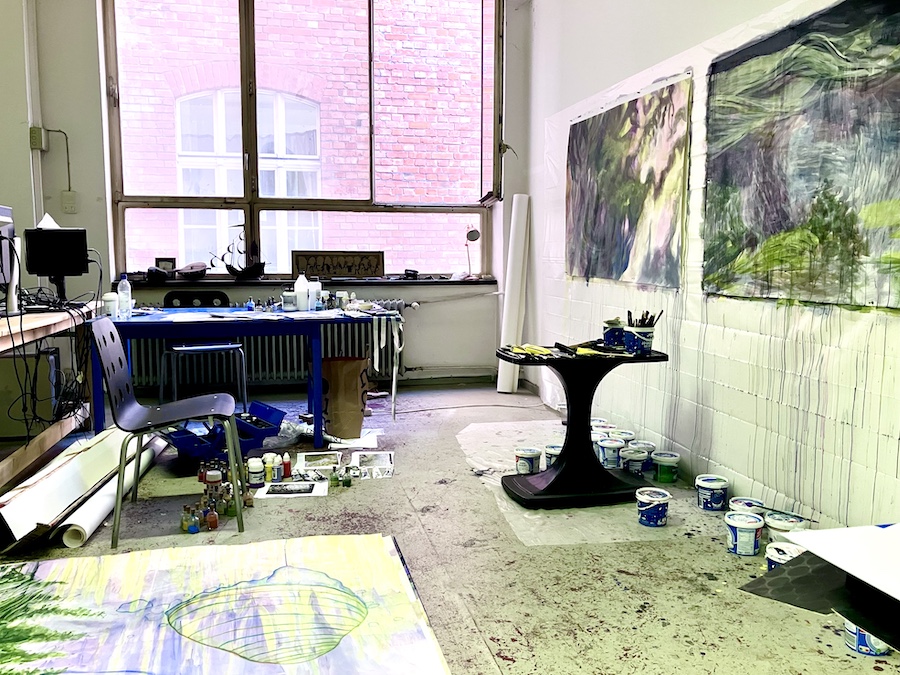
This exhibition represents six species of mussels (Süßwassermuscheln) currently or historically found in Brandenburg and Berlin (Germany), from collections-based research at the Senckenberg Natural History Museum, and two invasive or alien species. They range from the endangered and protected Thick Shelled River Mussel and the abundantly adaptable Anodonta anatina, to the invasive Quaggas and Corbicula fluminea. Each have their environmental preferences and adaptations, many of them living in symbiosis with specific fish species.
The indigenous mussel species of Brandenburg and Berlin belong to a family called Unionidae. Although deriving from the Latin word for a single pearl (unio), the “union” in their name might more fittingly stand for their convivial collectivity: the way they inhabit the world, rather than reflecting their value for humans (like their oyster cousins, they produce pearls to encase parasites that get into their shells). These animals create liveable habitats for multispecies freshwater communities.
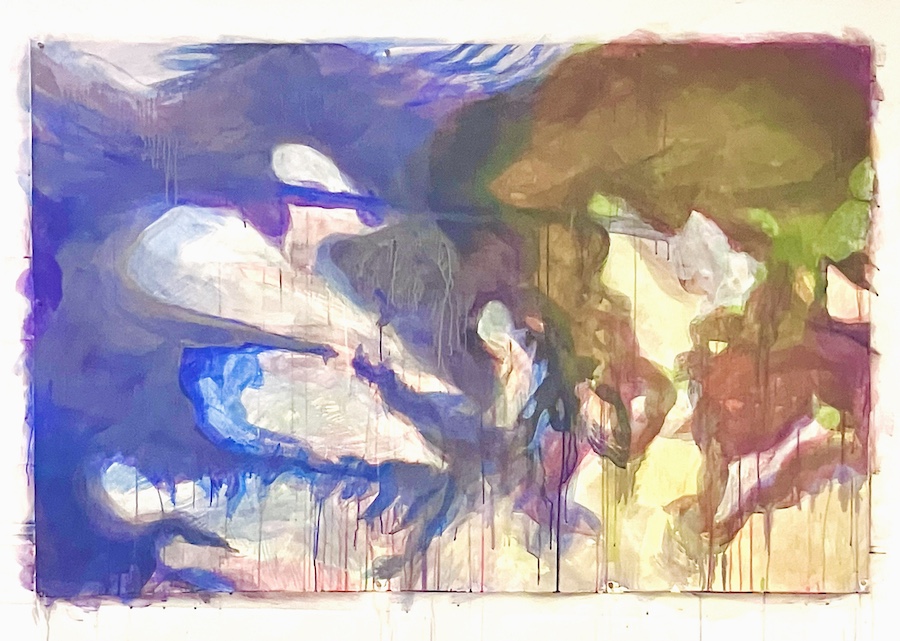
An alternate name given by zoologists for the family is Naiads, like the lesser female goddesses of Ancient Greece who were guardians of freshwater (including rivers, lakes, springs and brooks), describing their role as keystone species that filter and clean the water and riverbed. In these paintings, the human-animal-environment agentic hierarchies represented by these different kinds of naiads are upturned. Each Brandenburg or Berlin body of water depicted has been designated a guardian deity, a naiad, in the form of a mussel that could or does inhabit its particular aquatic environment, from Tiefer See and Heiliger See to the Spree and the Panke.
Berlin and Brandenburg’s different mussel species are here reimagined as nonanthropocentric deities of their freshwater environments, from which they cannot be ontologically separated. The paintings encode multisensory and conceptual engagements with freshwater mussels into affective visual and material forms, symbolically restoring agency to freshwater mussels.
The NAIADs
Anatina: Guardians of calm waters; streams, rivers, lakes, ponds and creeks. They appear in muddy or sandy substrates. Where the waters have fewer nutrients, Anatina is smaller. They adapt their shell shape to the fluid dynamics of local conditions. They also adapt to become intersex in slower-moving currents.

Tumidus: Guardians of the weaker currents. They are wedge-shaped solid, fat ovals.

Complanata: Guardians of the slow waters and muddy bottoms of old river arms and the edges of lakes, living in the depths up to 11 metres. They are very rare in Germany, extremely sensitive to water pollution and algal blooms. They are flat, oval- shelled deities.
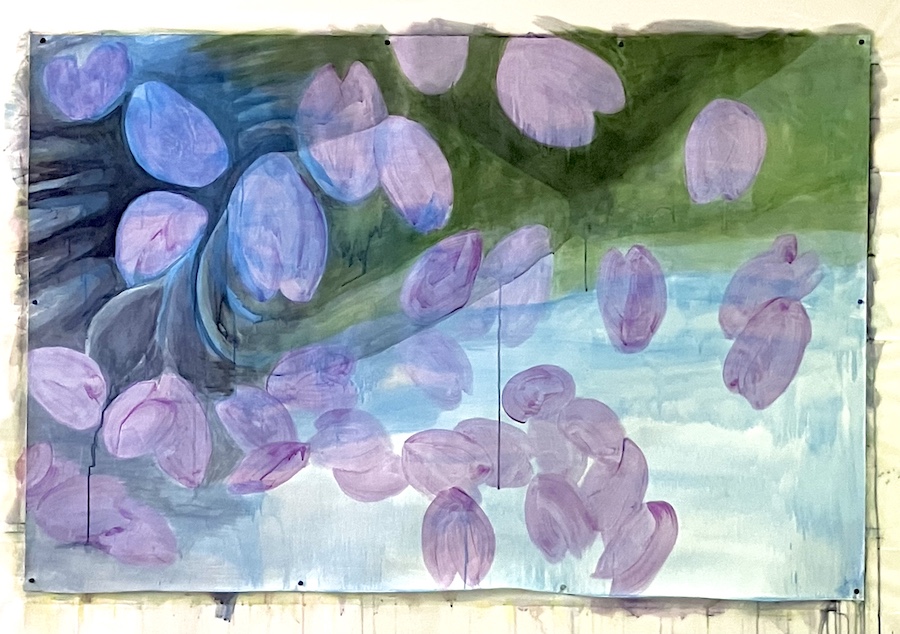
Crassus: Guardians of clean rivers’ middle sections and smaller lowland running waters. They appear immersed in stony and sandy substrates, and require high oxygen content, sensitive to the presence of nitrogen which they do not tolerate well.
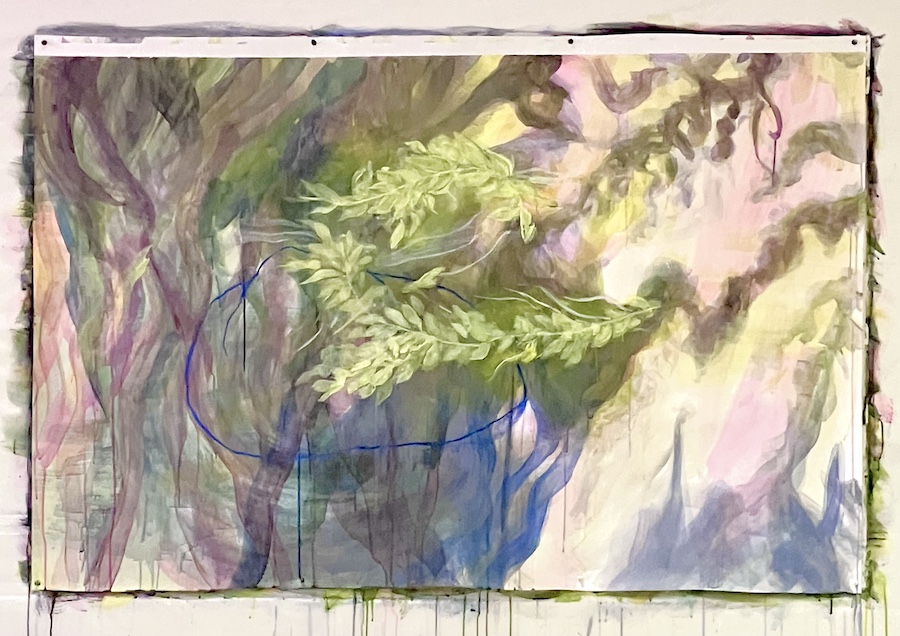
Pictorum: Guardians of deep rivers, sometimes lakes, reservoirs and canals, they do their work metres below the surface in the sand or silt. They have an elegant long oval form.

Cygnea: Guardians of standing water, the motionless areas of rivers. Thinner-shelled, they inhabit fine, soft mud. They are intersex or female, no males among these deities.
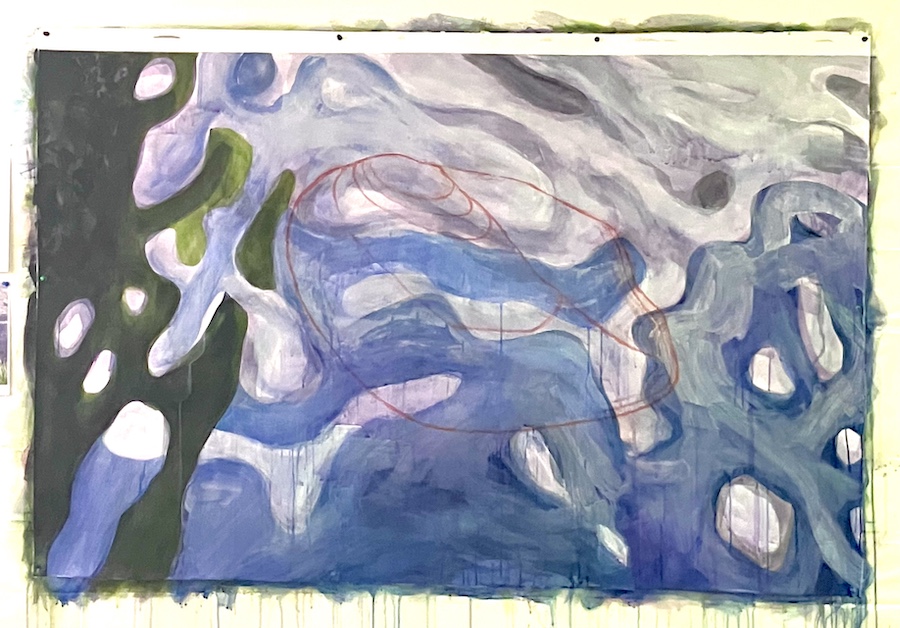
Quagga: alien deities, prolific at water purification and reducing or completely eliminating many kinds of toxic algal bloom from their aquatic environments but also prolific at colonising new waters, suffocating the local naiads and consuming all the available resources.

Fluminea: another alien deity, prolific and resilient, their conical rounded shape and often golden colour are ecologically incongruous in Berlin. They grow rapidly, self-fertilise and can spread speedily. They may cause algal blooms, but are useful as a human food source.

Panke: a tributary of the River Spree in Berlin, a historically mussel-rich environment where naiads are now under threat from alien and human activities.
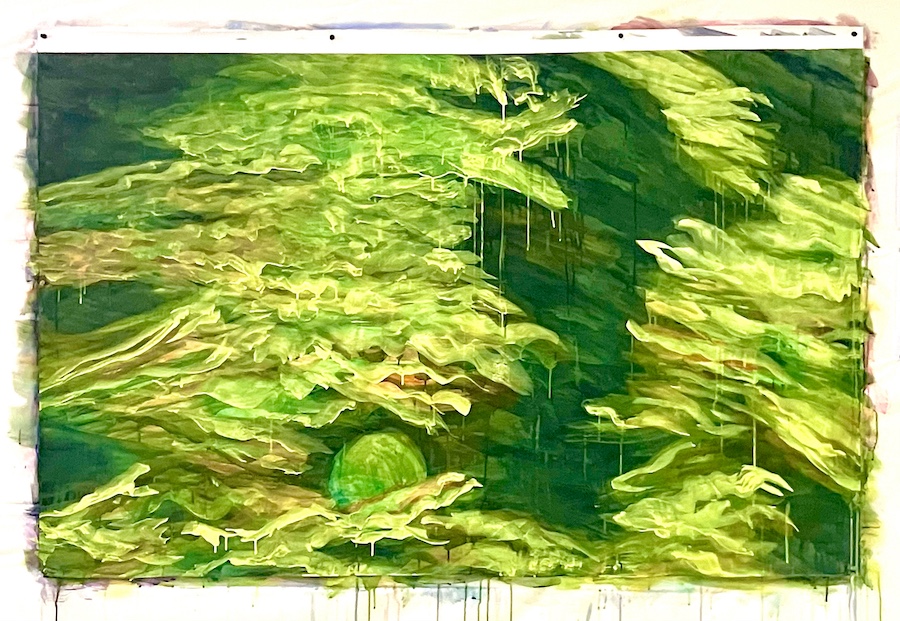
Müggelsee: a lake environment in Berlin that has formed and been formed by naiads, now a battleground between naiads and the alien Quaggas and Flumineas.
About the Project
This exhibition is part of the project Rural Cosmopolis at RIFS (Research Institute for Sustainability), Potsdam, Germany.
The work combines multispecies and posthuman ecofeminist approaches. Taking its cues from Alexis Pauline Gumbs’ multispecies activist poetics and Astrid Neimanis’ hydrofeminism, the project revisits Isabelle Stengers’ epistemological Cosmopolitics. Stengers advocates openness to all knowledge systems, including the natural, the archaic and the irrational. Here, this is extended to flatten species onto-epistemological hierarchies. An argument for trans-species cosmopolitics emerges from the project, with its necessary implication of equal legal subjecthood for other animals.
Thanks again to Karl-Otto Nagel and Julia Sigwart at the Senckenberg Museum’s Malacology department for hosting me in the mussel collections and Karl-Otto’s generosity with his incredible knowledge of freshwater mussels; and thank you to Jonas Mauch at IGB for sharing his extensive knowledge of the invasive Quagga mussels, along with giving me an understanding of the wider ecosystem.
 Mollusc Realism
Leave a comment