Projects


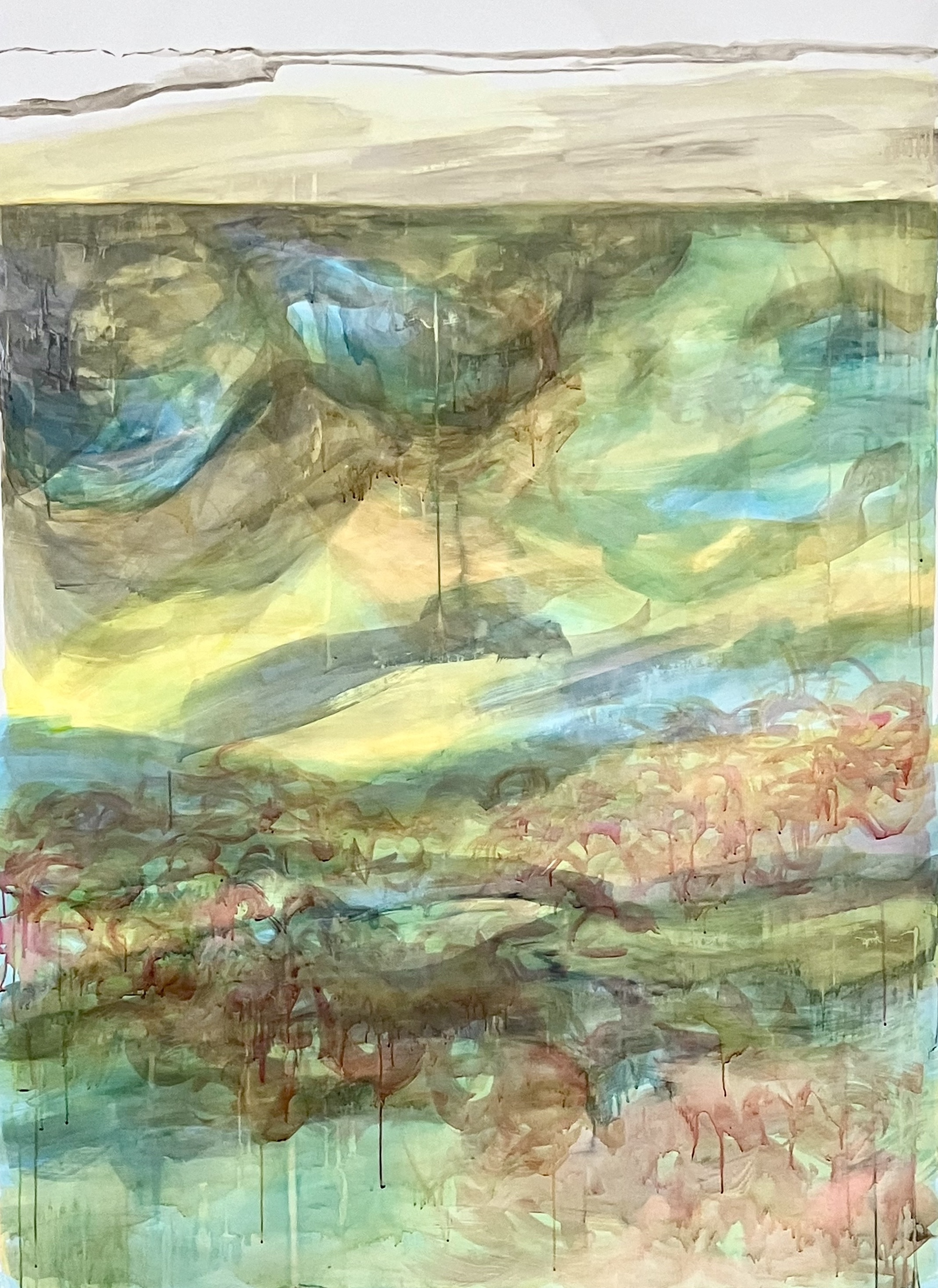
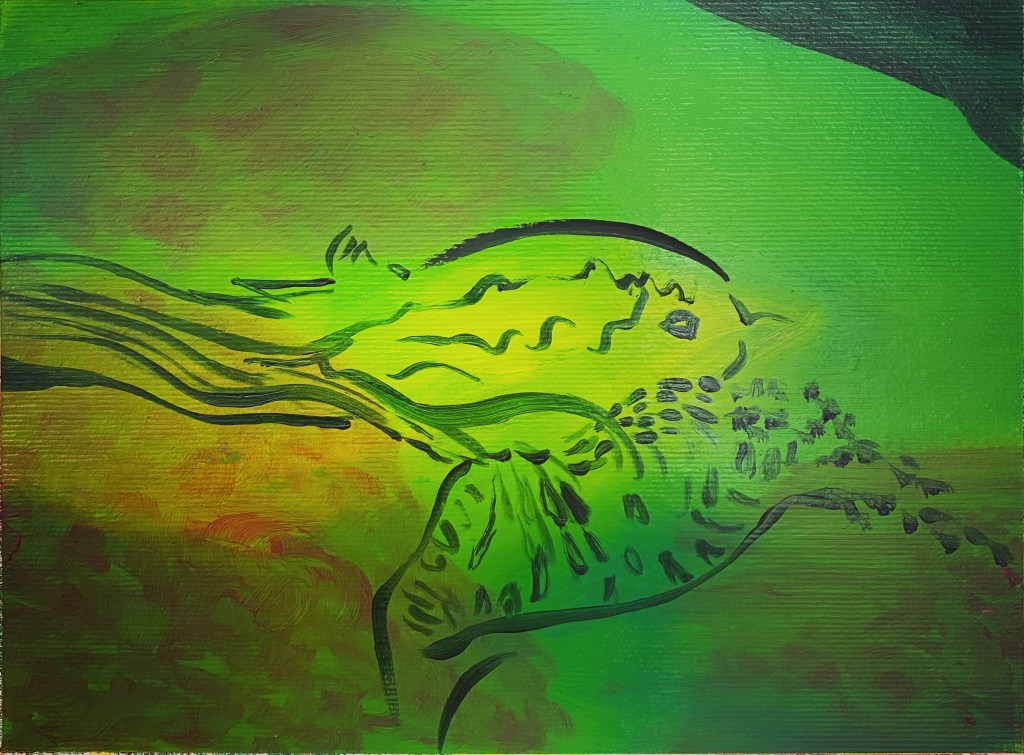
Octopus AI
2023

Mussel Memories
2019-2023

Pearl
2022

Interspecies Twitter
2019-2021

The question of how – or even whether – to represent nonhuman beings, including other animals, are connected problems for posthumanism and the nonhuman turn in the environmental arts and humanities. What unites the disparate and often antithetical fields and other ‘turns’ that make up the nonhuman turn are the ethical and intellectual imperatives to dislodge the human from its position as the fixed centre of western thought, by attempting to rethink (or unthink, de-think, or think from other perspectives) the anthropocentric and anthropomorphic perspectives deeply embedded in humanist knowledge systems, representation and language.
Attempts to uncentre the human swim against dangerous undertows that drag towards assimilating the nonhuman into the humanist project. The problem of representation as assimilation for the posthumanities might be avoided by keeping out of the water altogether and maintaining the distance of difference, but this raises other problems such as the ethical and legal representation of nonhuman life, or how to discuss bioethics in animal research. On one tentacle, paw or hand, nonhuman representation may be necessary for the ethical and legal visibility of nonhuman life; on another, it may be an inescapably problematic act of rendering unknowable difference exotically or anthropomorphically; on yet another, there is a problem of mimetic (imitative) assimilation for posthuman ethics.
Recent zoological and philosophical thought suggests there is a problem with representing other animals’ agency, due to human cognitive biases. That is, we make assumptions about other animals’ intelligence and sensory perceptions based on our own perceptions of the world. Ecological psychology, or ecological realism, considers perception as interconnected perceptual systems embedded in environments. Its approach is based on ways of life in environments, and offers a means of representing nonhuman agency as the affordances of different sensory lifeworlds within shared environments.
 Mollusc Realism